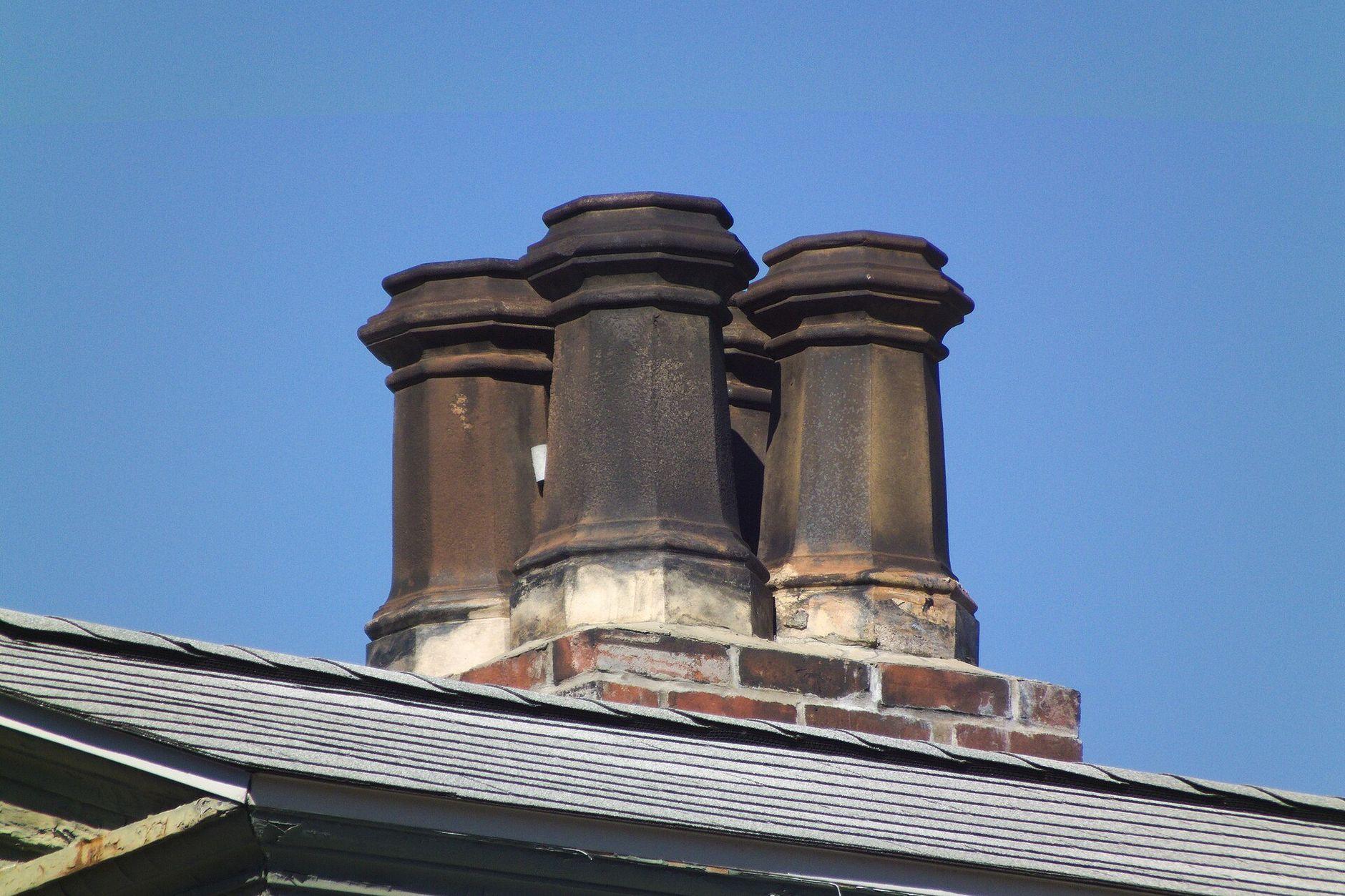
An open flue on a closed house
When a house is lived in, somebody hears the scratching. A bird in the flue, a rat on the smoke shelf, a drip in the firebox after rain: in an occupied home these get noticed inside a week. In a second home or a rental waiting for its next tenant, nobody is there to hear anything. By the time the owner comes back, the animal has built a nest, the rain has rusted the damper and the smell has reached the bedrooms.
A chimney cap stops most of that in one short visit. This guide is about what sets the price of a cap from Slocum Chimney Pros on a house that stands empty part of the year in Bellflower and the towns around it, and the two parts people often mistake for a cap: the chase cover and the damper.
What a cap does on a house left alone
A cap is a metal hood with mesh sides fixed to the top of the flue or the whole crown. On a house that sits empty, it earns its price in four ways:
- The mesh keeps birds, squirrels and rats out of the flue while nobody is around to notice them
- The hood keeps winter rain off the flue tiles and the damper, which is where rust and cracks start
- The mesh stops sparks and embers leaving the chimney and landing on a dry roof in Santa Ana season
- The hood keeps wind-blown leaves and palm fronds off the smoke shelf, where they would be fuel for the next fire
A cap does not fix a cracked crown or a leaking flashing. It covers the opening. That is why we look at the crown and flashing on the same climb and tell you about them separately.
The installed price: quoted after we measure
A chimney cap installation is quoted after we measure. The price comes down to a handful of things we can see from the roof:
| What we look at | Simplest job | Costs more |
|---|---|---|
| Flue count | One clay or round flue | Two or more flues under one cap |
| Fit | Stock size that slides over the tile | A cap that covers the whole crown |
| Metal | Plain steel with mesh | Stainless steel built for coastal air |
| Access | Low single-story roof | Steep pitch or a second story |
A single flue on a low Bellflower ranch house is usually the simplest job. A wide masonry chimney carrying two flues, where the cap has to cover the whole crown, costs more. We measure, write the figure down, and only then fit the cap.
Chase covers and dampers, the parts caps get confused with
Two other parts protect the top of the flue, and owners often ask for a cap when the real problem is one of these.
A chase cover is the sheet metal lid over a factory-built fireplace, the kind with a wood or stucco box on the outside of the house instead of brick. Old chase covers are flat, so water pools on them, the metal rusts through, and the rust runs down the siding. A cap sits on top of the chase cover; it cannot stop a rusted lid from leaking. Chase cover replacement is quoted in writing because the size of the chase varies so much from house to house.
A damper is the plate that closes the flue when the fireplace is not in use. A throat damper sits just above the firebox; a top-sealing damper sits at the crown and doubles as a seal against air and animals. On a house that closes for months, a damper that does not shut lets warm air out in winter and lets dust and insects in all year. Damper repair is quoted after we see the old one, since some can be freed and adjusted and some have to come out.
What decides the price, and what to send
The price depends on what is on the roof, so a picture of it helps us plan. A photo of the chimney top from the street or from an upstairs window shows the number of flues, the crown and whether there is a chase. With that and the address, we can plan the visit. The cap is quoted after we measure on the roof, and you get the figure in writing.
Send a photo of the chimney top and book a cap visit
Hiring someone to fit a cap: what to ask
Any company can sell a cap. On a house you are not living in, these are the questions that tell you whether the job will hold up while you are away:
- Is the price written down before the cap goes on, and does it include fitting?
- How is the cap fixed: screws into the tile, a strap around it, or anchors into the crown?
- What mesh size is it, and will it stop a small bird?
- Will they look at the crown, the flashing and the damper while they are up there, and send photos?
- Who receives the report if the owner is out of town?
We answer all five on the written quote. The report that follows the visit shows the cap from two sides with the date, so next season's check has something to compare against.
The visit that goes with it
A cap is often added at a reopening or close-up visit, when a Level 1 inspection at $57 is already putting someone on the roof. If the flue has a nest in it, the sweep comes first, from $440, and the cap goes on once the flue is clear. For the full reopening list, see what opening a vacant house costs.
Book the climb
The easiest time to cap a chimney is before the house closes for the season. Use the call button at the top of the site to reach Slocum Chimney Pros, mention the photo you sent if you sent one, and we will set a date that works around your travel.
Getting a House Ready for Its First Fire?
Slocum runs the same top-down list on every visit, sends a photo of each item and prices any repair in writing first. We work out of Bellflower, with Downey, South Gate and Carson close by.